




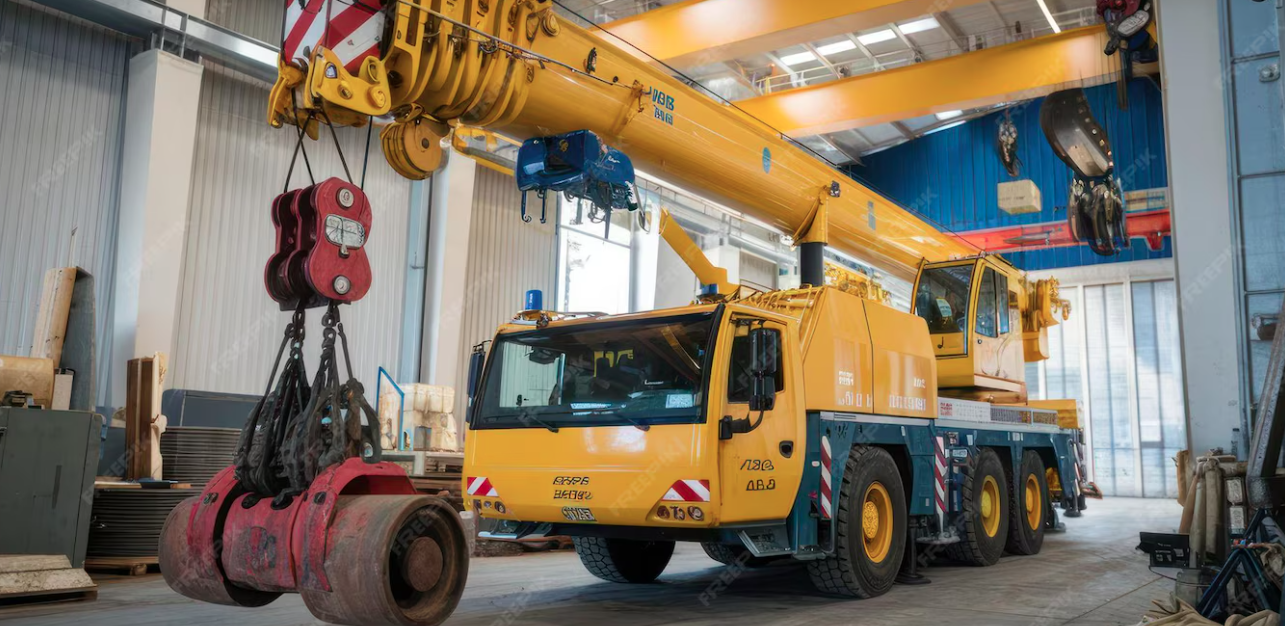
Choosing the right heavy machinery is a pivotal decision for any commercial construction manager. The success of a project often hinges on the efficiency and safety of lifting operations.
Since purchasing a crane is a massive capital investment, most firms opt for a crane rental to manage costs while accessing specialized technology.
However, selecting a provider requires careful evaluation of several technical and logistical factors to ensure the job site remains productive and safe.
Assessing Project Load and Reach Requirements
Before signing any agreement, you must have a precise understanding of your project specifications. Different cranes are designed for different tasks, ranging from small mobile units to massive tower cranes.
You need to calculate the maximum weight of the loads you intend to lift and the highest point the boom must reach.
A reliable crane rental company will provide load charts and technical data to help you determine which model fits your specific weight and height requirements without compromising safety.
Evaluating Site Conditions and Terrain
The environment of your construction site dictates the type of equipment you can use. If you are working on a congested urban site with limited space, you might require a crane with a small footprint or a telescopic boom.
Conversely, for projects on soft or uneven ground, rough-terrain cranes with specialized tires or tracks are essential.
Discussing these environmental constraints with your provider ensures that the equipment delivered can navigate the terrain and operate effectively within the available workspace.
Safety Records and Maintenance Protocols
Safety is the most critical element of any lifting operation. When researching a crane rental, you should investigate the company’s safety history and maintenance standards. Ask for documentation regarding recent inspections and the age of their fleet.
Well-maintained equipment is less likely to suffer from mechanical failures that could lead to dangerous accidents or expensive project delays. A company that prioritizes rigorous maintenance is a partner that prioritizes your crew’s well-being.
Operator Qualifications and Expertise
A crane is only as effective as the person operating it. Many rental services offer the option of hiring a certified operator along with the machine. If you choose this route, verify that the operators have the necessary certifications and experience with the specific model being rented.
Proper communication between the operator and the ground crew is vital for precision. Ensuring that your crane rental comes with a seasoned professional can mitigate risks and streamline the entire lifting process.
Insurance Coverage and Liability
Construction sites are high-risk zones, and lifting heavy materials adds a layer of complexity to your liability profile. It is essential to review the insurance policies offered by the rental provider. Ensure that the coverage includes general liability, equipment damage, and workers’ compensation.
Clear contract terms regarding who is responsible for the machine during transit and operation will protect your company from unforeseen financial burdens in the event of a mishap.
Cost Structure and Hidden Fees
While budget is always a concern, the cheapest option is not always the best. Look for a transparent pricing structure that includes delivery, setup, dismantling, and fuel costs. Some providers may offer lower daily rates but add significant surcharges for weekend work or emergency repairs.
Comparing total estimated costs across different providers will give you a clearer picture of the value you are receiving, allowing you to manage your project’s financial resources more effectively.