




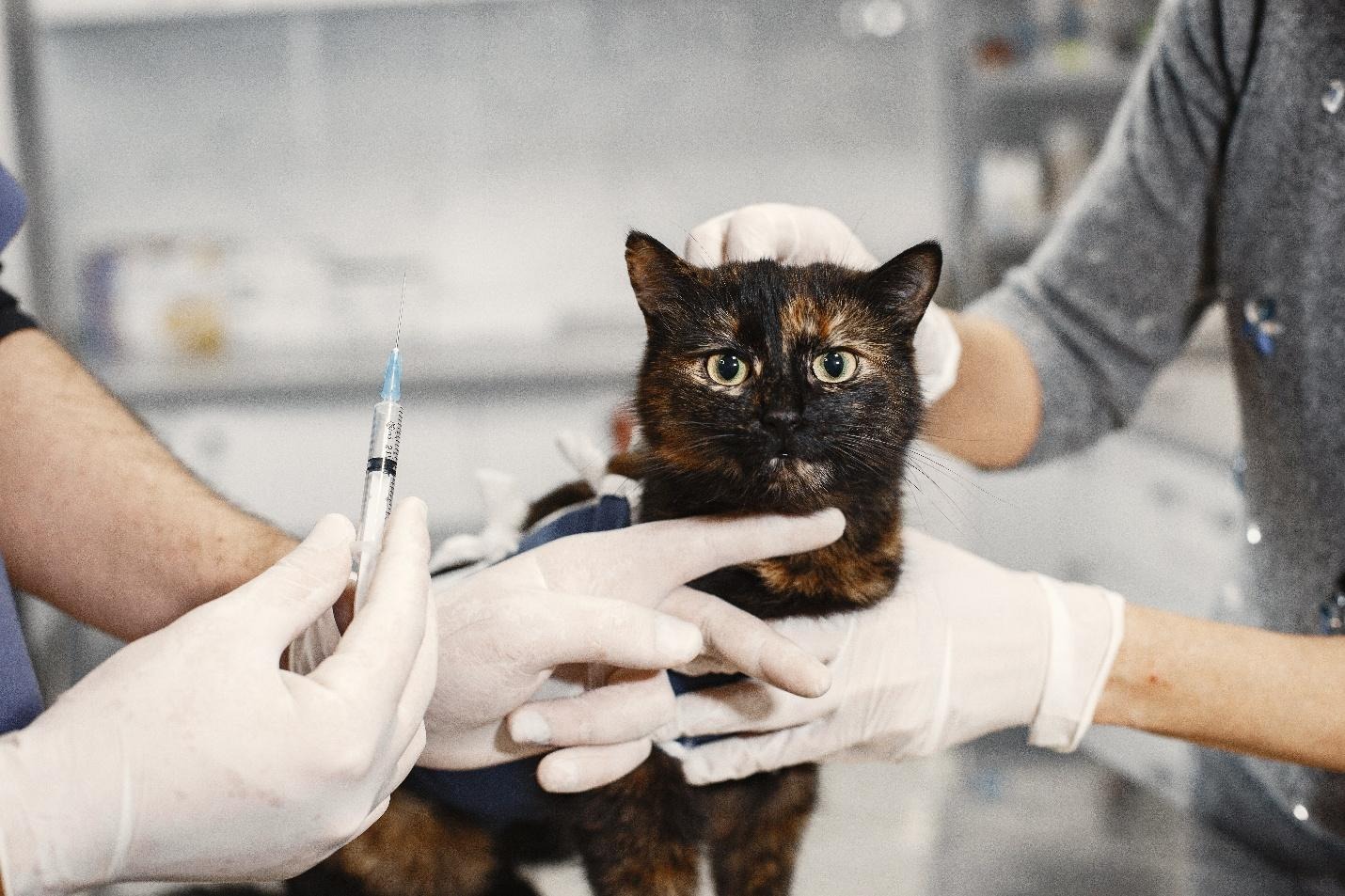
Taking good care of an animal’s health is important to keep them safe from different diseases. One of the most important parts in keeping animals healthy is getting their vaccinations done. Vaccines help an animal’s body fight harmful viruses and bacteria before they can cause serious health problems and regular vaccinations can help animals live longer, healthier, and safer lives.
Below are some points that explain the role of animal vaccinations in keeping animals healthy and safe.
Protection from Dangerous Diseases
One of the biggest benefits of animal vaccinations is protection from serious diseases. Just like humans, animals can develop illnesses, which can become life-threatening if not treated on time. Getting them vaccinated helps prevent diseases such as rabies, parvovirus, distemper, and feline leukemia in pets.
Not only pets but farm animals also need vaccines to stay protected from infections. Animals without vaccinations are more likely to suffer from pain, weakness, fever, breathing problems, or even death.
Help Strengthen Immune System
Vaccines are important to help strengthen an animal’s immune system. A vaccine contains a weak or inactive form of a disease-causing germ. When the vaccine enters the animal’s body, the immune system learns how to recognize and fight that disease.
When the real disease enters the animal’s body, the vaccine allows the body to respond actively and fight against it. A strong immune system also helps animals recover faster from health problems.
Prevents the Spread of Diseases
Animal vaccinations are not only beneficial for one animal, but they can also help protect other animals around them. Vaccinations can reduce the risk of diseases that can spread through contact, saliva, coughing, bites, or shared food and water.
If one animal is not vaccinated, it can spread the disease to other animals easily. This is especially important in homes with multiple pets, farms with many animals, shelters, and animal boarding centers.
Keeps Humans Safe from Certain Diseases
Some animal diseases can also spread to humans. One of the most common of them is Rabies. Animals with rabies can easily spread the disease to humans through bites or scratches, and the disease can become deadly if left untreated.
Vaccinating animals against viruses and infections helps protect both humans and animals. Healthy and active animals also help create a safer environment for families and communities.
Saves Money on Future Treatments
Vaccinating animals against different diseases is usually much cheaper than treating a sick animal later. When an animal develops a certain disease, it requires expensive medicines, surgeries, hospital care, or long recovery periods to cure that disease.
Regular vaccinations prevent these problems and ensure a healthy lifestyle of animals. Healthy animals also need fewer veterinary visits and treatments.
Improves Quality of Life
When animals are healthy, they are more active, playful, and comfortable. Vaccinations help animals avoid weakness, pain, and discomfort caused by serious diseases. Healthy animals can enjoy daily activities such as running, playing, eating, and interacting with people and other animals.
Good health is also important for farm animals to improve their productivity. Healthy livestock are better able to produce milk, eggs, and meat safely and efficiently.