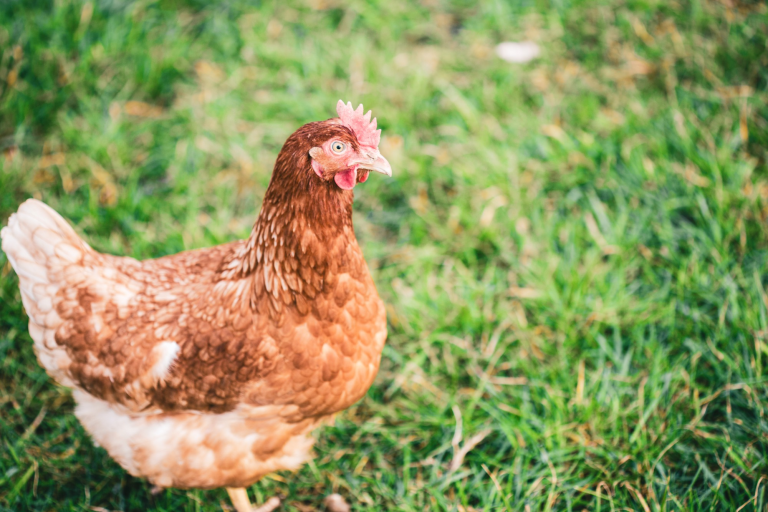



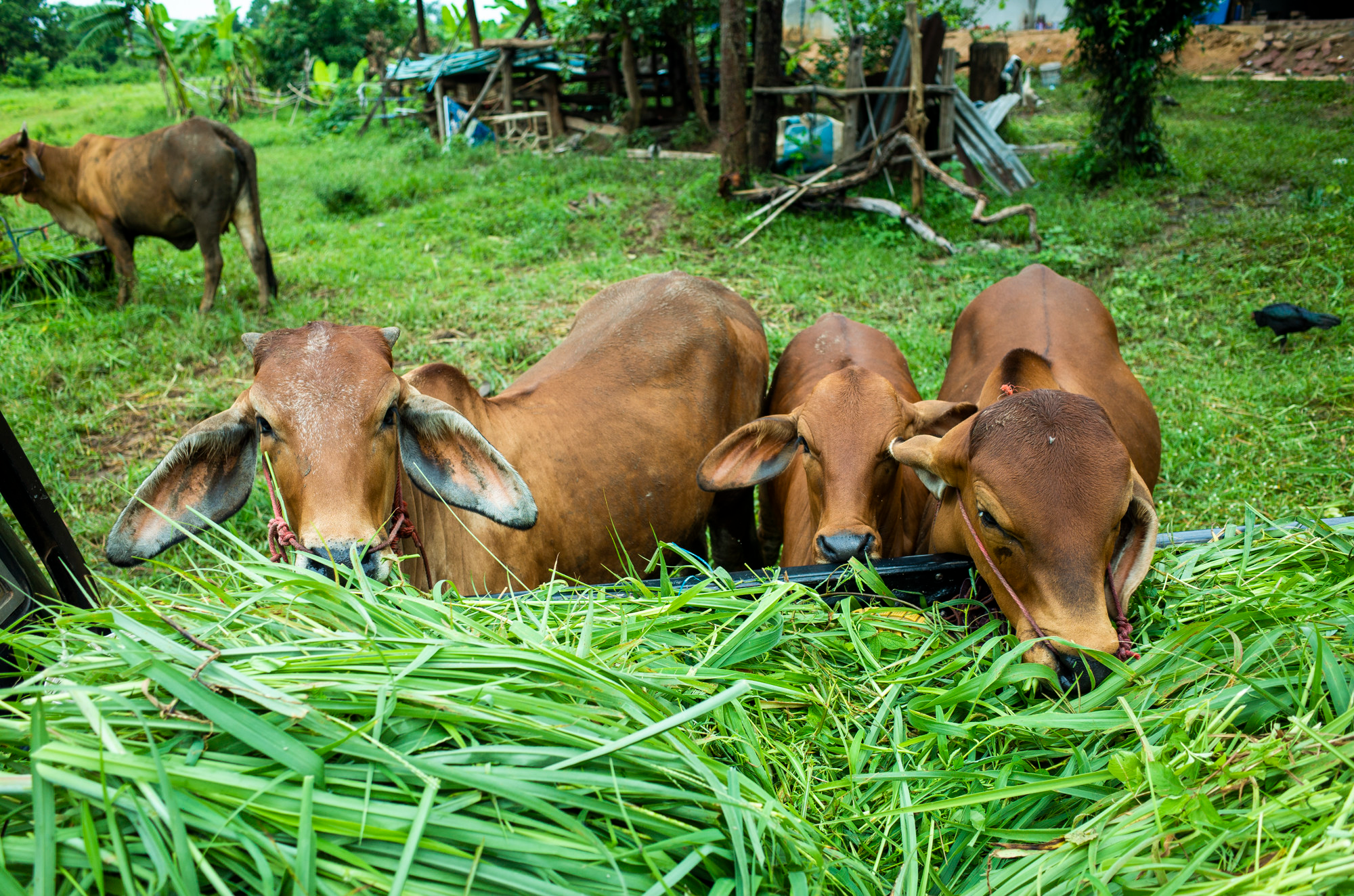
A gaushala is a sanctuary for cows, calves, and other similar animals. It’s a Sanskrit word that combines “Gau” (cow) and “Shala” (shelter).
These shelters provide rescue, food, and medical care for abandoned or aged cattle that no longer produce milk. In Hinduism, running or supporting a gaushala is considered a sacred act of selfless service because they view the cow as their mother.
In today’s article, we’ll talk about how these sanctuaries operate, which animals can reside there, and how they’re funded.
Let’s get started.
Key Operations of Gaushala
Many modern gaushala sanctuaries are built to protect rare and local cattle breeds that otherwise get ignored. The staff there offer daily care by feeding the animals, providing clean water, and offering medical treatment if an animal gets sick/injured.
Now, a gaushala is a large facility that can manage 300 to 20,000 animals. Due to complex infrastructure, it relies heavily on community donations and charitable trusts. Sometimes, governments also support these with state-approved funds.
Types of Gaushalas
These are generally classified into four main types based on how they function and who manages them.
The government-run gaushalas are managed by municipal bodies. They house stray, sick, injured, or surrendered cattle that they pick from public roads.
We then have sanctuaries operated by private trusts or non-profit organizations. These shelters primarily focus on rescuing bovine animals intercepted from illegal transport.
Next, privately-run gaushalas for native breed conservation also exist. These are specialized centers that focus on breeding the local cattle breed using scientific practices.
And lastly, we have temple-run gaushalas attached to religious trusts. These are funded largely through public donations and spiritual service
Animals That Can Live in These Centers
These shelters can house a range of animals that need proper daily care.
For example, the shelter is ideal for indigenous and local cow breeds and calves. The old bulls or abandoned male calves cast out by dairy owners can also be managed here.
A gaushala can also house stray, old, disabled, or sick cattle rescued from traffic accidents.
However, there are some exclusions and inclusions you need to keep in mind. Buffaloes are also bovines, but water buffaloes are generally excluded from traditional sanctuaries because these shelters culturally focus on cows.
Non-bovine animals, such as goats, sheep, and dogs, are generally not kept in a standard gaushala, though some multi-animal rescue shelters may accommodate them as well.
History of Gaushala
The love for cows and the practice of creating dedicated shelters is traced back to the ancient Vedic period in India. At that time, cattle were crucial for farming and keeping rural life functional.
The first recorded gaushala was established in 1879 in Haryana. The organized cow-protection movement took shape with the founding of the first society in Punjab in 1882. This movement spread quickly across India, particularly in Bengal and Madras.
Today, thousands of gaushalas operate across India. They house hundreds of thousands of cattle. Both private donations and government grants actively fund these facilities.