
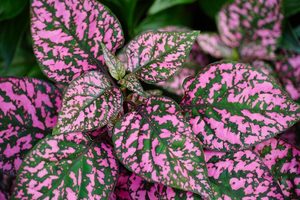



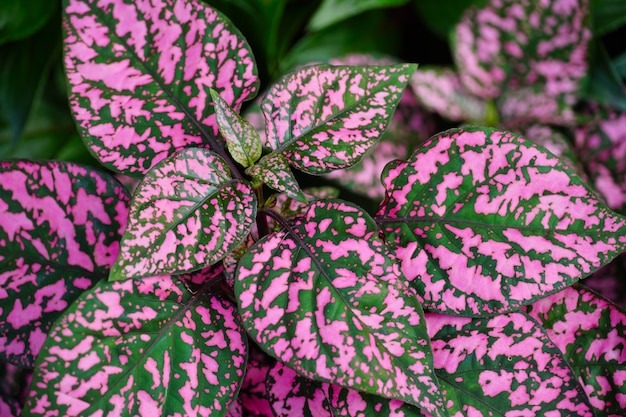
Mint Julep caladiums are valued for their attractive foliage and fresh combination of green and light-colored tones. Like other ornamental plants, they need suitable nutrients to support healthy leaf development and overall growth. Choosing the right fertilizer involves considering the plant’s growing medium, current condition, and stage of development. With balanced nutrition and proper application, mint julep caladium plants can maintain attractive foliage throughout the growing season.
1. Understand Basic Nutrient Needs
Plants primarily need nitrogen, phosphorus, and potassium, along with smaller amounts of other nutrients. Nitrogen supports leafy growth, phosphorus contributes to root development, and potassium plays a role in overall plant strength.
A balanced fertilizer can provide these nutrients without heavily favoring one element. Understanding these basic needs helps gardeners choose a product that supports healthy ornamental growth.
2. Choose a Balanced Fertilizer
A balanced fertilizer is often a practical option for foliage-focused plants. Look for a product with relatively even nutrient ratios and follow the manufacturer’s recommended application rate.
Mint julep caladium plants do not necessarily benefit from excessive fertilizer. Applying more than recommended can lead to nutrient buildup in the soil and may damage roots or affect foliage quality. Consistency is generally more useful than heavy feeding.
3. Consider Slow-Release Options
Slow-release fertilizers can be convenient for container and garden planting because they gradually provide nutrients over an extended period. This can reduce the need for frequent applications and help maintain more consistent nutrient availability.
They may be particularly useful for gardeners who want a simple maintenance routine. Always follow the product label regarding application amounts and timing.
4. Use Liquid Fertilizer Carefully
Liquid fertilizers are another option when plants need supplemental feeding during active growth. They can provide nutrients relatively quickly and may be convenient for container-grown plants.
When using a liquid product, dilute it according to the manufacturer’s instructions. Avoid applying concentrated fertilizer directly to the foliage or roots unless the product specifically states that it is appropriate for that use.
5. Match Fertilizer to Soil Conditions
The best fertilizer choice can depend on the existing condition of the growing medium. Healthy, nutrient-rich potting soil may require less supplemental feeding than poor or depleted soil.
If plants show unusual growth or leaf changes, consider whether watering, light, drainage, or soil conditions could be contributing factors rather than immediately increasing fertilizer.
6. Follow a Consistent Feeding Routine
A regular care schedule can help prevent both underfeeding and excessive fertilization. Feed plants during their active growing period according to the instructions for the selected product.
Container-grown caladiums may need more frequent monitoring because nutrients can move out of containers with repeated watering.
Final Thoughts
Choosing the best fertilizer for caladiums starts with understanding their nutritional needs and the condition of their growing medium. A balanced or slow-release fertilizer can provide useful support when applied correctly. Avoid overfeeding and always follow product directions. By combining appropriate nutrition with suitable light, moisture, drainage, and soil conditions, mint julep caladium plants can develop healthy foliage and remain an attractive feature in containers or garden spaces.